
Christmas Cheer in the Classroom: Festive Facts, Fun Traditions & Activities for the Week Before Break
Posted by Frog Publications on 11th Dec 2025
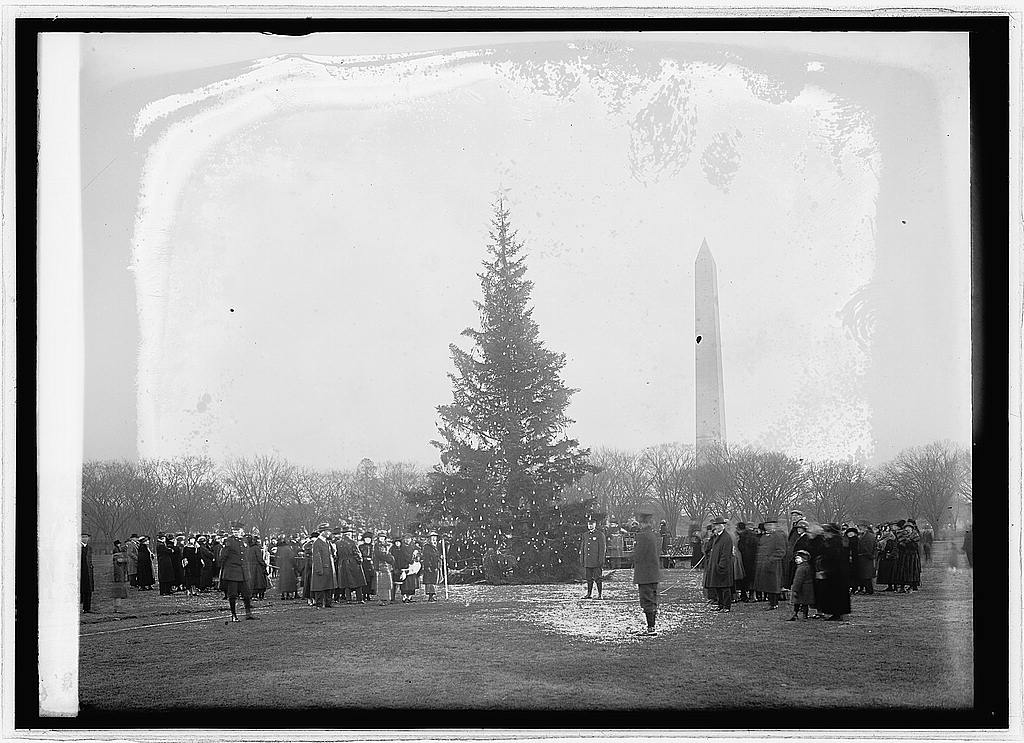
Detail of photograph showing the first "National Christmas Tree" on the Ellipse with the Washington Monument in the background - National Photo Company Collection (Library of Congress)
By Frog Publications
The week leading up to winter break is full of excitement, energy, and anticipation—and teachers know it’s the perfect time to blend learning with a little holiday magic. To help you celebrate the season, we’ve gathered fascinating Christmas history, origins of traditions, and classroom-ready activities your students will love.
A Brief History of Christmas: Unique & Surprising Facts
Christmas has been celebrated for centuries, but many parts of the holiday we know today developed slowly over time. Here are some fun, teacher-friendly facts to share with your students:
• Christmas became a U.S. federal holiday in 1870
On June 26, 1870, Congress officially declared Christmas a federal holiday. Before this, traditions varied widely across states and cultures.
• Christmas was once outlawed in America
From 1659 to 1681, Boston banned the celebration of Christmas entirely. Anyone caught celebrating was fined five shillings, because Puritans believed Christmas celebrations were too rowdy and unbiblical.
• In the Middle Ages, Christmas was basically Mardi Gras
Medieval Christmas celebrations were loud, chaotic, and full of mischief—much closer to today’s Mardi Gras than the calm, family-oriented holiday we know now.
• The first American eggnog dates to 1607
Captain John Smith’s Jamestown settlement made the earliest recorded eggnog in the United States.
• Poinsettias are named after a U.S. diplomat
Joel R. Poinsett, the first American minister to Mexico, brought the bright red-and-green plant to the U.S. in 1828, and it quickly became a Christmas classic.
Where Some Favorite Christmas Traditions Come From
• Christmas Trees
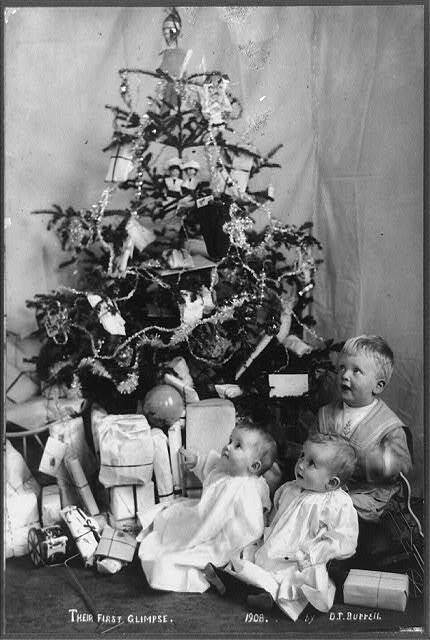
1908 - Copyright by D.T. Burrell.
Each year, 25–30 million real Christmas trees are sold in the U.S. There are over 16,000 Christmas tree farms, and it takes 4–15 years for a tree to grow before it’s ready for sale.
The tradition itself originated in Germany and spread to America through immigrants in the 1700s.
• Rockefeller Center Tree Tradition
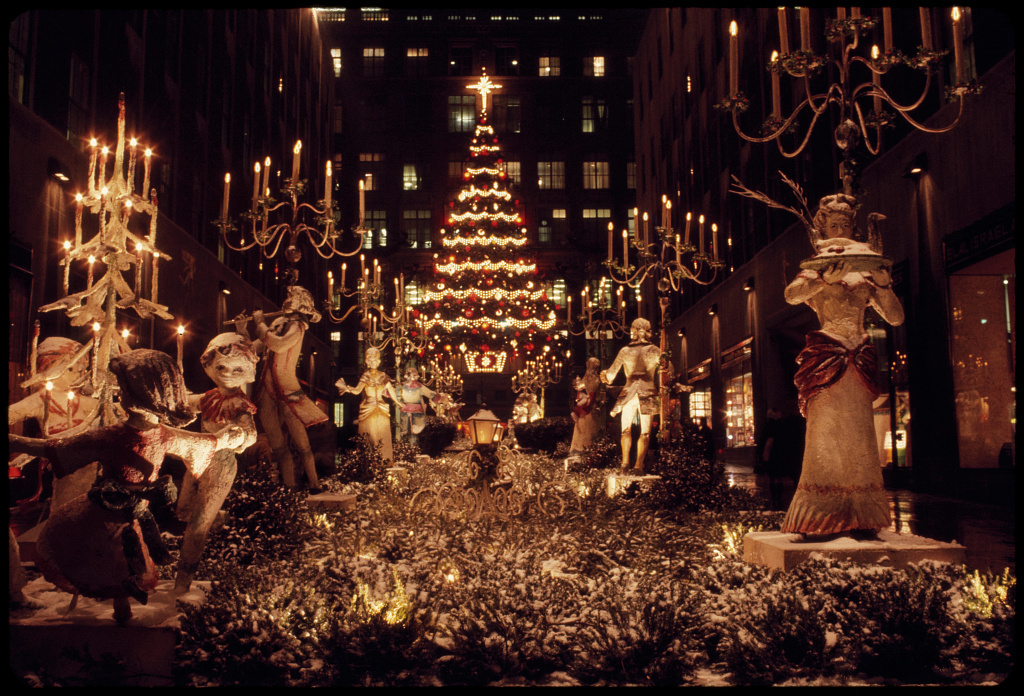
1989 Rockefeller Center Christmas tree, New York City - Gotfryd, Bernard, photographer
The famous New York City Christmas tree tradition began in 1931, when construction workers put up a small tree to celebrate finishing part of Rockefeller Center.
• Why We Hang Stockings
This tradition stems from the legend of Saint Nicholas secretly giving gold coins to three sisters, which fell into stockings drying by the fire.
• Candy Canes
Originally straight sugar sticks, they were bent into their iconic shape in the 1600s by a German choirmaster to resemble shepherds’ crooks.
• The Salvation Army’s Santas
Starting in the 1890s, the Salvation Army hired Santa-clad volunteers to collect donations to help feed families during the holidays. The tradition continues today.
• Rudolph’s Origin Story
Rudolph didn’t appear with Santa’s team until 1939, when copywriter Robert L. May created him for a Montgomery Ward Christmas booklet. The poem was so popular it became a cultural icon.
Classroom Activities for the Week Before Break
Here are easy, low-prep ideas that channel holiday excitement into meaningful learning:
1. Christmas Around the World Stations
Explore traditions from places like Mexico (Las Posadas), Sweden (St. Lucia), and Germany (Advent).
2. STEM Challenge: Build Santa a Sleigh
Using craft sticks, tape, and cardboard, students design and test sleighs that can hold a small weight.
3. Holiday Writing Prompts
-
“If I Were One of Santa’s Reindeer…”
-
“My Gingerbread House Came to Life!”
-
“What the Elves Really Do After Christmas”
4. Ornament Math or Hot Cocoa Fractions
Turn simple manipulatives into festive math practice.
5. Paper Snowball Review Game
Write review questions on paper, crumple into “snowballs,” toss, and answer.
6. Kindness Countdown Chain
Create a chain with a daily kindness challenge for the last week of school.
7. Read-Aloud + Art Combo
Pair a holiday book with directed drawing or a themed craft.
8. Door Decorating Challenge
Groups decorate sections of the classroom door and vote on categories like “Most Creative” or “Most Festive.”
9. Coloring Pages
Enjoy relaxing coloring pages: Frog Happy Winter Break Color Page | Frog Christmas Coloring Page
Add a Touch of Frog Fun!
Teachers can pair these activities with some of Frog’s best December-friendly learning tools—like:
-
Family Fun-Packs (great take-home activities for the break)
-
Drops in the Bucket for quick morning warm-ups
Final Thoughts
Christmas is a magical time of year, and students bring so much joy and excitement to the season. Whether you're exploring the history behind the holiday, diving into fun traditions from around the world, or keeping students engaged with festive learning activities, this week can be one of the most memorable of the school year.
From everyone here at Frog Publications, we wish you a season filled with warmth, laughter, and meaningful moments—both in and out of the classroom.
Merry Christmas and Happy Holidays!
The Frog Publications Team
References and Resources
History of Christmas as a Federal Holiday
https://www.loc.gov/rr/program/bib/ourdocs/Federalholidays.html
Origins of Christmas & Early Traditions
History.com – “History of Christmas”
https://www.history.com/topics/christmas/history-of-christmas
Christmas Trees
https://realchristmastrees.org/education/history-of-christmas-trees/
Stockings
https://www.smithsonianmag.com/arts-culture/the-legend-of-the-christmas-stocking-160854441/
Rudolph the Red-Nosed Reindeer
https://www.si.edu/stories/where-did-rudolph-get-his-shiny-nose
Christmas Around the World
https://kids.nationalgeographic.com/celebrations/article/christmas